
Clinically Prescribed Alternatives Offering Safer Fat Loss  When people chase rapid results with clenbuterol and similar stimulants, the heart risks become an urgent story worth rewriting; medicine now offers less reckless paths. Prescribed options include GLP-1 receptor agonists (like semaglutide and tirzepatide) that reduce appetite and improve glycemic control, low-dose thyroid therapy for verified hypothyroidism, and carefully dosed beta blockers to blunt excessive sympathetic drive. Unlike unregulated stimulants, these therapies arrive with dosing protocols, safety trials, and follow-up plans that include ECG, blood pressure and metabolic labs to catch problems early. They show moderate, reproducible fat loss when combined with diet and training. Talk openly with a clinician about goals, timelines and side effects so you trade dangerous shortcuts for evidence-based regimens tailored to your risk profile and long-term health. Insurance coverage, cost and individual contraindications should shape the choice, not impulse or influencer hype. Use caution. Research Backed Otc Supplements for Sustained Fat Loss I once chased clenbuterol allure before learning safer alternatives. Green tea extract and caffeine modestly increase metabolic rate; evidence supports modest, sustainable fat loss combined with sensible calorie control strategies. Capsaicin, soluble fiber, and whey protein improve satiety and thermogenesis in trials, supporting adherence. Berberine and omega-3s help insulin sensitivity, complementing diet without dangerous stimulant side effects when used responsibly. Adopt a patient, evidence-led approach: cycle supplements, prioritize sleep and resistance training, track progress, and consult professionals. Safer OTC tools deliver steady results far better than risky quick fixes consistently. Diet and Training Strategies Mimicking Stimulant Effects Safely 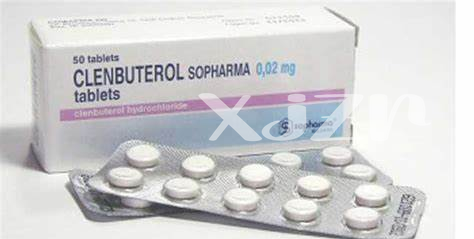 I remember wanting a shortcut, tempted by stories of clenbuterol and overnight transformations, but I found another path. Choosing intentional meal timing and workouts gave steady energy without heart-racing side effects. Framing fat loss as metabolic coaching rather than a chemical sprint made progress sustainable and less risky. Start with protein-rich meals and fibrous carbs to stabilize blood sugar and reduce cravings; add caffeine strategically before high-intensity intervals to boost alertness. Use short, frequent HIIT sessions and strength training to elevate post-exercise oxygen consumption; prioritize compound lifts, supersets, and controlled rest intervals to mimic stimulant-driven calorie burn. Track progress, adjust calories slowly, emphasize sleep and hydration, and cycle more intense phases with deload weeks. These habits reproduce many benefits sought from stimulants—improved focus, appetite control, and higher metabolic rate—while protecting cardiovascular health and long-term results. Consistency creates lasting, compounding change. Lifestyle Tweaks to Boost Metabolism Without Harsh Drugs After months chasing quick fixes and even flirting with clenbuterol, I learned that small daily habits produce durable metabolic change. Shifting the story from risky shortcuts to practical routines felt empowering: consistent sleep, prioritized protein, and movement became the real performance enhancers that kept energy steady without compromising health. Focus on practical levers: prioritize 7–9 hours of sleep, hydrate, add brisk walks, and lift weights to preserve lean mass.
Think long term: monitor resting heart rate, avoid comparing results to stimulant-fueled anecdotes, and consult a clinician before protocols. Sustainable fat loss favors patience, progressive training, and slight daily caloric deficits over harsh drugs. Celebrate non-scale wins and remember that metabolism is built by consistent choices, not by compounds. Track sleep quality, protein timing, NEAT, and stress management to protect cardiovascular health overall. Smart Monitoring and Safety Practices to Protect Heart I treat my body like a lab: baseline ECG, resting blood pressure and lipid profile map risks, while family history and physician input reveal individual cardiac risk before starting changes. During use, continuous heart-rate tracking, periodic ECGs, blood pressure checks and electrolyte panels catch early warning signs; log symptoms daily, avoid other stimulants, and pause at the first palpitations promptly. Keep an open dialogue with your clinician: review medications for interactions, titrate slowly, set an emergency plan and notes for trainers or partners, and consider basic CPR and AED familiarity. |
|
