
Success Rates Per Cycle and Live Birth Statistics 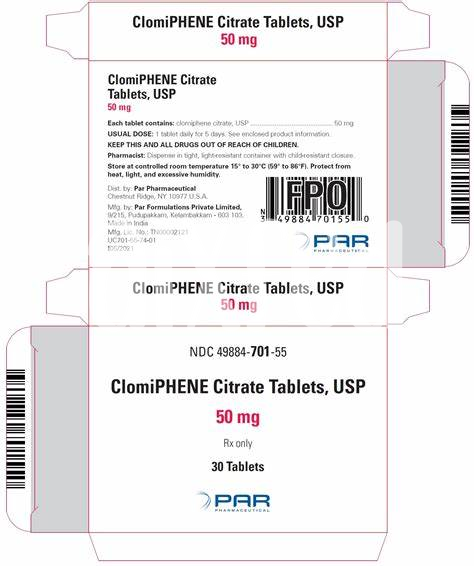 Clinicians often frame effectiveness not by ovulation alone but by chances of conceiving and delivering. Clomiphene reliably induces ovulation yet produces moderate per cycle pregnancy probabilities. In women with polycystic ovary syndrome letrozole has generally produced higher live birth rates than clomiphene. A large randomized trial reported live birth in 27.5 percent of women treated with letrozole versus 19.1 percent with clomiphene and showed better cumulative outcomes across several cycles. Per cycle pregnancy likelihood varies with age diagnosis and monitoring and often remains modest so many couples need repeated cycles or assisted reproductive techniques. Miscarriage rates appear similar and the risk of multiples is not dramatically higher with either agent. Providers weigh these comparative outcomes alongside side effect profiles ovarian response and patient goals when selecting therapy. Shared decision making and individualized plans improve overall chances and satisfaction in many. Common Side Effects Risk Profiles and Management Patients often describe the first cycles as a balancing act between hope and side effects. clomiphene can cause hot flashes, mood swings, and thinning of cervical mucus, while letrozole more commonly leads to fatigue and joint pain; both carry a small risk of multiple pregnancy and ovarian hyperstimulation. Clinicians manage symptoms with dose adjustments, cycle timing, and supportive care: analgesics, hydration, support. Ultrasound monitoring minimizes risks and guides changes; immediate reporting of severe pain or visual changes is crucial. Counseling about realistic expectations and contraception until pregnancy confirmation reduces complications. Dosing Timing and Monitoring for Optimal Ovulation  A cycle of treatment begins with carefully chosen dosing; many clinicians start clomiphene at 50 mg daily for five days early in the follicular phase, while some increase if response is weak. Patients are encouraged to track basal temperature and ovulation predictor kits, creating a rhythm of data that guides adjustments and builds confidence. Ultrasound monitoring and estradiol checks refine timing, allowing targeted intercourse or insemination; when follicles mature, clinicians may alter dose or cancel cycles to prevent complications. Clear communication and prompt monitoring maximize safety and success and effectiveness. Who Benefits Most Choosing between the Two Clinically, certain profiles tend to favor one medication. Patients with polycystic ovary syndrome often respond better to letrozole, which improves follicular development without the prolonged estrogen receptor blockade seen with clomiphene. Conversely, clomiphene remains useful for low-cost, well-tolerated trials in younger women with normal ovarian reserve. Age and prior response shape choice: older patients or those with diminished ovarian reserve may need stimulatory approaches and closer monitoring, sometimes favoring gonadotropins. For unexplained infertility or mild ovulatory dysfunction, both agents can succeed, but letrozole's endometrial profile often gives it an advantage for implantation prospects. Shared decision-making matters: prior side effects, cost, timing goals, and fetal considerations guide personalized selection. If clomiphene induced poor endometrial thickness or failed cycles, switching to letrozole is reasonable. Discuss monitoring plans and realistic expectations with your clinician to maximize chances while minimizing risks. And reproductive history. Beyond Ovulation Long Term Fertility and Pregnancy Outcomes When couples look beyond immediate ovulation, the choice between agents shapes pregnancy trajectories: letrozole often yields higher live-birth rates per cycle in several trials, while clomiphene’s longer estrogen-receptor activity can thin the endometrium and slightly reduce implantation. Letrozole tends to lower multiple-pregnancy risk and appears neutral regarding miscarriage, whereas clomiphene carries modestly increased twin rates. Both drugs generally do not harm ovarian reserve when used intermittently, but cumulative conception chances depend on patient age, diagnosis, and subsequent treatments. Long-term planning emphasizes individualized care: clinicians monitor cycles, adjust protocols, and consider intrauterine insemination or IVF when responses stall. Lifestyle, weight, and comorbidities notably influence cumulative live-birth probability. Patients should receive counseling about time-limited trials of oral agents versus earlier escalation, realistic success expectations, and the small but present risks of multiples and ovarian hyperstimulation when combined with gonadotropins and long-term health. |
|
