
Modern Dosing Strategies: Low-dose Versus High-dose 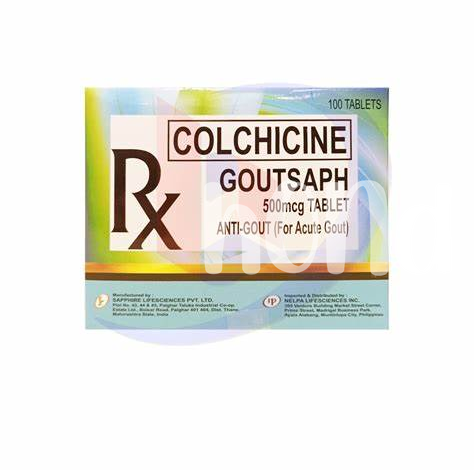 Clinicians increasingly favor lower, more frequent doses of colchicine for acute flares, trading dramatic early suppression for steady anti-inflammatory action and fewer adverse effects. Instead of traditional high-loading regimens that aimed to halt attacks quickly, modern practice emphasizes a single low initial dose followed by repeat low doses over hours and days to balance symptom relief with tolerability and safety. This approach derives from randomized trials and pharmacologic insights showing comparable efficacy with markedly reduced gastrointestinal toxicity; clinicians tailor dosing for age, comorbidity, and concomitant meds. For prevention, low-dose daily colchicine maintains control with minimal side effects, while high-dose strategies are reserved only when benefits clearly outweigh risks and monitoring is enforced rigorously and practically. Timing and Duration: Optimal Windows for Treatment Acute gout demands rapid action; starting colchicine within 24 hours of attack onset improves outcomes. Early consultation ensures correct dosing and faster relief. Low-dose regimens given early control pain while reducing adverse effects compared with older high-dose strategies. Evidence favors shorter, effective early therapy. For flare treatment, courses often last three days or up to a week; prophylaxis during urate-lowering therapy may continue for three to six months. Individualize duration by response, comorbidities, and concomitant drugs, and adjust colchicine for renal or hepatic impairment to avoid toxicity, monitoring kidney function. Efficacy Evidence: Clinical Trials and Real-world Data  Landmark randomized trials reshaped practice: low-dose colchicine given early reduced pain and recurrent flares compared with placebo, producing faster resolution and fewer gastrointestinal events than high-dose regimens. Meta-analyses synthesize those trials and report consistent benefit for acute symptom relief and reduced flare frequency when therapy is initiated promptly; pooled estimates show improvement versus control. Observational cohorts and registries provide complementary real-world insight: they confirm effectiveness but reveal challenges such as delayed presentation, dosing variability, and adherence issues that blunt impact in routine care. Taken together, the evidence supports colchicine as an effective, evidence-based option for both acute management and prophylaxis, while underscoring the need for timely use and careful patient selection to minimize adverse effects. Safety Profile: Common Side Effects and Toxicity Patients often notice nausea, diarrhea and abdominal cramping early when colchicine is used; these gastrointestinal effects are the most frequent and usually dose-related. My clinical experience echoes trial data: mild symptoms may prompt dose reduction rather than discontinuation, and counseling helps set expectations. Bone marrow suppression and neuromyopathy are uncommon but serious, linked to higher doses or impaired clearance. Renal or hepatic impairment, advanced age, and interacting drugs (eg, CYP3A4 or P-glycoprotein inhibitors) increase toxicity risk; vigilance with dosing and monitoring is vital. In suspected overdose, prompt supportive care and specialist consultation are essential. Clear patient education about timing, maximum daily dose and when to seek help reduces harm and improves outcomes; clinical follow-up recommended.
Practical Tips: Drug Interactions, Renal Dosing, Monitoring When prescribing colchicine, review concurrent drugs closely: strong CYP3A4 or P glycoprotein inhibitors (eg clarithromycin, protease inhibitors, azole antifungals, cyclosporine) markedly raise colchicine levels and risk severe toxicity. Combining colchicine with statins or fibrates increases myopathy risk and may need adjustment. Renal impairment mandates dose modification. Reduce frequency or amount for eGFR below 30 mL/min and avoid chronic use in severe dysfunction or dialysis without specialist input. Older adults need lower dosing and closer follow up because clearance declines. Monitor for symptoms such as nausea, diarrhea, muscle pain and neuropathy; check CBC, liver and renal tests. Reassess the medication list and advise patients to stop and seek care for unexplained weakness, severe diarrhea, or numbness. |
|
