
Evidence from Clinical Trials and Real-world Studies  Randomized trials showed pregabalin reduces pain and improves sleep for many patients, often within weeks. Trials used pain scales, patient global impressions, and sleep measures to demonstrate small-to-moderate average benefits. Meta-analyses confirm a modest advantage over placebo, but high placebo response and trial heterogeneity limit interpretation. Some studies found clinically meaningful improvement in a subset, while others reported no clear long-term effect. Real-world observational studies paint a mixed picture: some patients report substantial relief and improved function, while others discontinue because of side effects or minimal benefit. Differences in comorbidity, dosing, and concurrent therapies help explain variation. Pregabalin can help people but is not a universal solution; personalized assessment and follow-up determine if benefits persist. Who Benefits Most and Who Sees No Relief Many people with fibromyalgia who report tingling, burning, or electric-shock sensations respond better to pregabalin; these nerve-like symptoms suggest central sensitization that the drug targets. Responders also often have disturbed sleep, anxiety, or shorter symptom duration, and may notice reduced pain and improved rest within weeks. Those less likely to gain meaningful relief include patients whose pain stems mainly from fatigue, widespread musculoskeletal degeneration, inflammatory disease, or untreated mood disorders. Individual variability is large; clinicians assess symptom pattern, comorbidities, and treatment response to guide trials of pregabalin and avoid exposure. Common Side Effects, Risks, and Safety Considerations 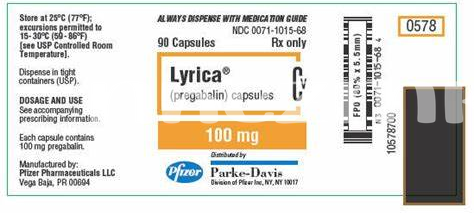 A patient starting pregabalin often notices drowsiness, dizziness and mild weight gain at first; these effects can fade over weeks but affect daily tasks and driving, so caution is wise. Patients should start at low doses and avoid alcohol. Less common issues include blurred vision, swelling of hands or feet, and cognitive fuzziness; rare but serious reactions like allergic rash, suicidal thoughts, or respiratory depression (especially with opioids) require immediate medical attention. Laboratory monitoring is rarely needed but may be considered when risks exist. Tapering slowly avoids withdrawal symptoms such as insomnia, headache and anxiety; regular follow-up, dose adjustments for kidney impairment, and discussing interactions with other CNS depressants help maximize benefit while reducing harm. How to Optimize Dosing and Minimize Withdrawal Starting pregabalin at a low dose and slowly adjusting creates a gentle arc from chaos to control. Many patients begin at 75 mg nightly, increasing every week as tolerability and benefit allow; clinicians monitor pain, sleep, and cognitive side effects, tailoring timing (evening vs divided doses) and renal-based reductions. Clear goals and checkpoints reduce overtreatment and help recognize early benefit. When stopping, planning is as important as starting: gradual tapering over several weeks — sometimes months for long-term high doses — lowers rebound pain and withdrawal symptoms. Reduce dose by small decrements and reassess frequently, involving clinicians and support systems. Combining nonpharmacologic strategies and cross-tapering with other pain therapies can smooth transitions and preserve function. Comparing Treatments and Effective Combination Strategies Patients often weigh pregabalin against antidepressants, gabapentin, or tricyclics; trials show varying benefits, with pregabalin helpful for sleep and neuropathic features while others aid mood and fatigue. Combining low-dose pregabalin with an SNRI or tailored exercise and cognitive behavioral therapy can amplify gains; clinicians balance additive benefit against increased side-effect burden and drug interactions, plus cost and access. Personalized plans matter: start slow, titrate based on response, monitor dizziness, weight gain, and sedation, and taper gradually to avoid withdrawal. Patient preferences, comorbid anxiety or insomnia, and functional goals guide choices. |
|
