
To Buy Erythromycin Online Visit Our Pharmacy ↓
 Erythromycin for Acne: Does It Really Work?
What Is Erythromycin and How Is It Used?
Erythromycin may sound intimidating, but it’s actually a familiar ally in dermatology. Classified as a macrolide antibiotic, erythromycin has been used for decades to fight bacterial infections, including those that fuel persistent acne. In the context of acne treatment, erythromycin is available both as an oral medication and as a topical cream or gel. This flexibility allows healthcare providers to tailor the approach to the severity and specific type of acne a person experiences.
The mechanism behind erythromycin’s effectiveness involves halting the growth of certain bacteria, especially Propionibacterium acnes—now known as Cutibacterium acnes—which is a primary culprit in inflamed breakouts. Below is a quick reference guide for common forms of erythromycin used in acne management:
| Form | How It’s Used | Common Dosage |
|---|---|---|
| Topical Gel/Cream | Apply thin layer to affected areas | 1-2 times daily |
| Oral Tablets | Swallow with water; may combine with other meds | 250–500 mg, 2x daily |
How Erythromycin Targets Acne-causing Bacteria
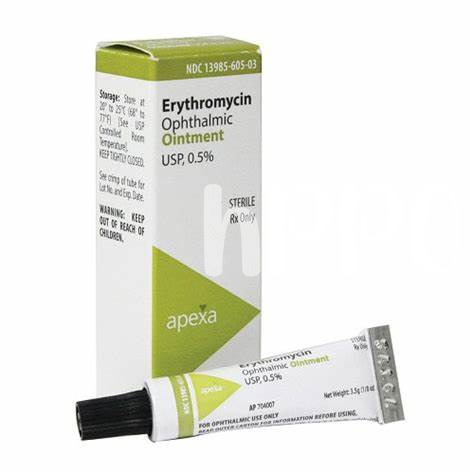
Acne often takes hold when pores become clogged, creating an ideal environment for bacteria called *Cutibacterium acnes* to multiply. Erythromycin, a well-known antibiotic, steps in as a targeted defender by stopping these bacteria from growing. It works by interfering with their ability to produce essential proteins, which are critical for their survival and reproduction. With fewer bacteria present, the inflammation and redness common in acne lesions often begin to fade, allowing the skin to heal gradually.
What makes erythromycin particularly effective is its dual action: not only does it combat bacterial overgrowth, but it also helps reduce the body’s immune response that leads to swelling and pus. By disrupting both the bacterial population and the inflammatory process, erythromycin creates a clearer, calmer complexion over time.
Comparing Erythromycin to Other Acne Treatments
When talking about acne treatments, many people instantly think of popular topical solutions like benzoyl peroxide or retinoids. Unlike these, erythromycin is an antibiotic that specifically targets the bacteria responsible for inflamed breakouts. While benzoyl peroxide works by reducing oil and clearing pores, erythromycin’s primary action is suppressing bacterial growth and easing redness.
Oral antibiotics, such as doxycycline or tetracycline, are sometimes prescribed for moderate to severe acne. Erythromycin can be used similarly, but bacteria may develop resistance over time, reducing its effectiveness. Compared to potent prescription retinoids like isotretinoin, erythromycin tends to have fewer severe side effects but is generally less effective for persistent or cystic acne.
Ultimately, the ideal choice often depends on your skin type, acne severity, and medical history. Consulting a dermatologist will help determine the best option for you.
Potential Side Effects You Should Know about
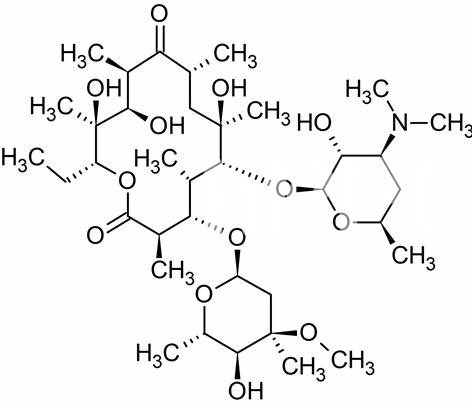
As helpful as erythromycin can be for acne, it isn’t risk-free. Many users experience mild side effects, such as redness, peeling, or dryness at the application site. Sometimes, these symptoms fade as your skin adjusts, but for some, irritation might persist, prompting a discussion with your dermatologist.
More rarely, erythromycin can cause stomach upset, especially if taken orally, including nausea, cramps, or diarrhea. Allergic reactions are uncommon but possible, so it’s important to watch for itching, swelling, or rash. If these occur, seek medical attention without delay.
Being aware of these potential reactions helps you balance the benefits and risks before making erythromycin part of your acne routine.
Tips for Maximizing Erythromycin’s Effectiveness
Sticking to your doctor’s instructions is critical when using erythromycin for acne. Apply or take erythromycin exactly as prescribed, usually once or twice daily—missing doses can allow bacteria to regain strength and increase the chance of resistance. Pairing erythromycin with a gentle skincare routine helps minimize irritation; avoid harsh scrubs or alcohol-based products that may strip the skin and worsen side effects. Consistency is key, as visible improvements often take weeks.
Combining erythromycin with complementary acne treatments, like benzoyl peroxide or topical retinoids, may boost results and decrease the risk of antibiotic resistance. Always keep your skin clean, but don’t over-wash. Sun protection is also important, since some people experience increased sensitivity to sunlight. Patience, persistence, and healthy habits can all improve your journey to clearer skin.
| Tip | Why It Helps |
|---|---|
| Use as prescribed | Ensures maximum effectiveness and reduces resistance risk |
| Gentle skincare | Minimizes irritation and supports healing |
| Combine with other treatments | Enhances results and lowers chance of antibiotic resistance |
| Sun protection | Prevents sensitivity and damage while on medication |
Who Should Avoid Erythromycin for Acne Treatment
Patients with a known allergy to macrolide antibiotics should steer clear of erythromycin, as they risk experiencing severe allergic reactions. Those with a history of liver problems or who are currently taking certain medications, like statins or blood thinners, may also need to avoid erythromycin due to potential drug interactions and liver strain. Pregnant and breastfeeding individuals should consult their doctor, as the safety of erythromycin during these periods is not absolute. Finally, if you’ve previously developed antibiotic resistance, this medication might not be effective for your acne. Always consult a healthcare provider before starting any new treatment. NCBI: Erythromycin, RxList: Erythromycin Information
Stay connected to B Nutritious:


